
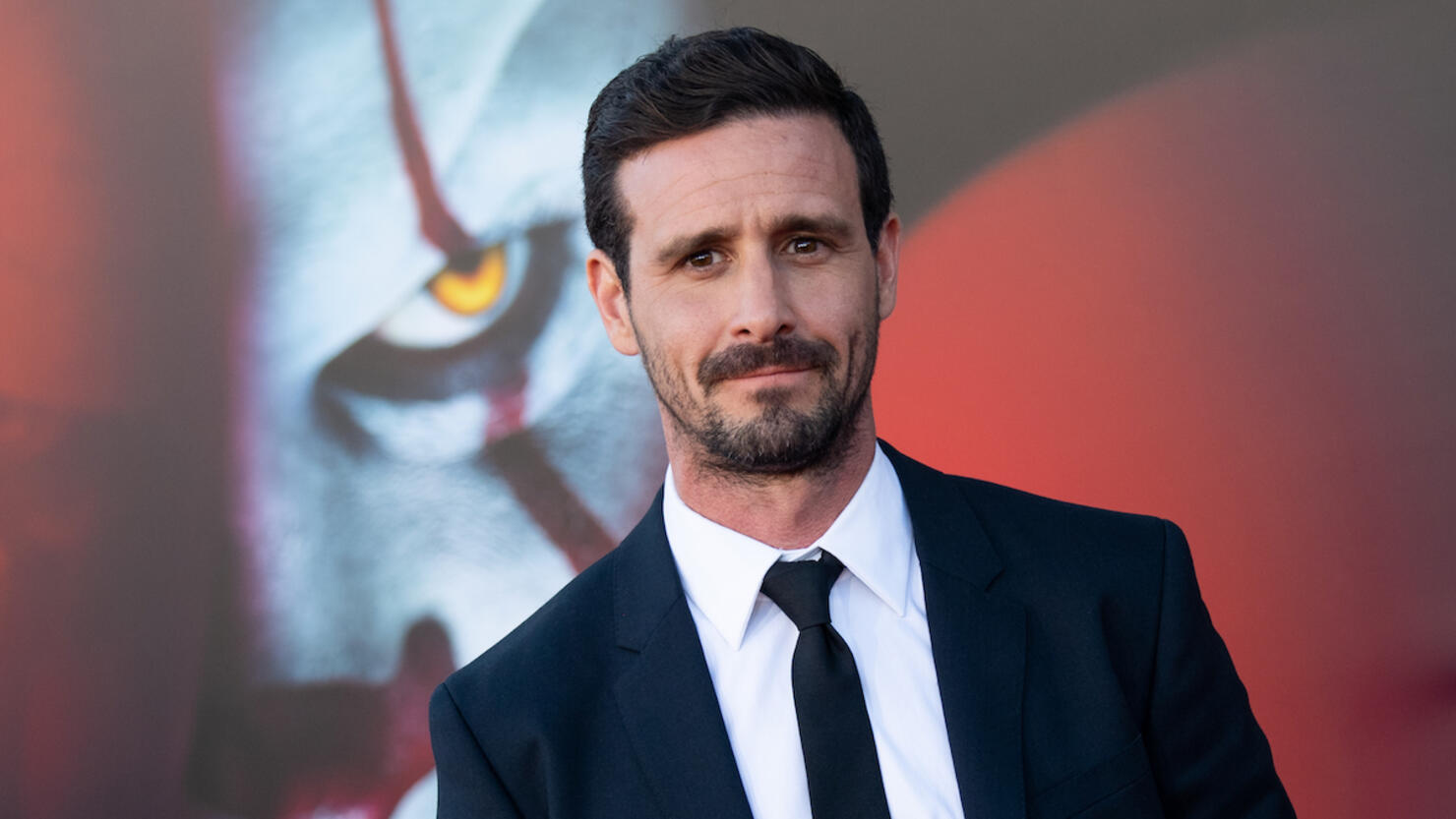
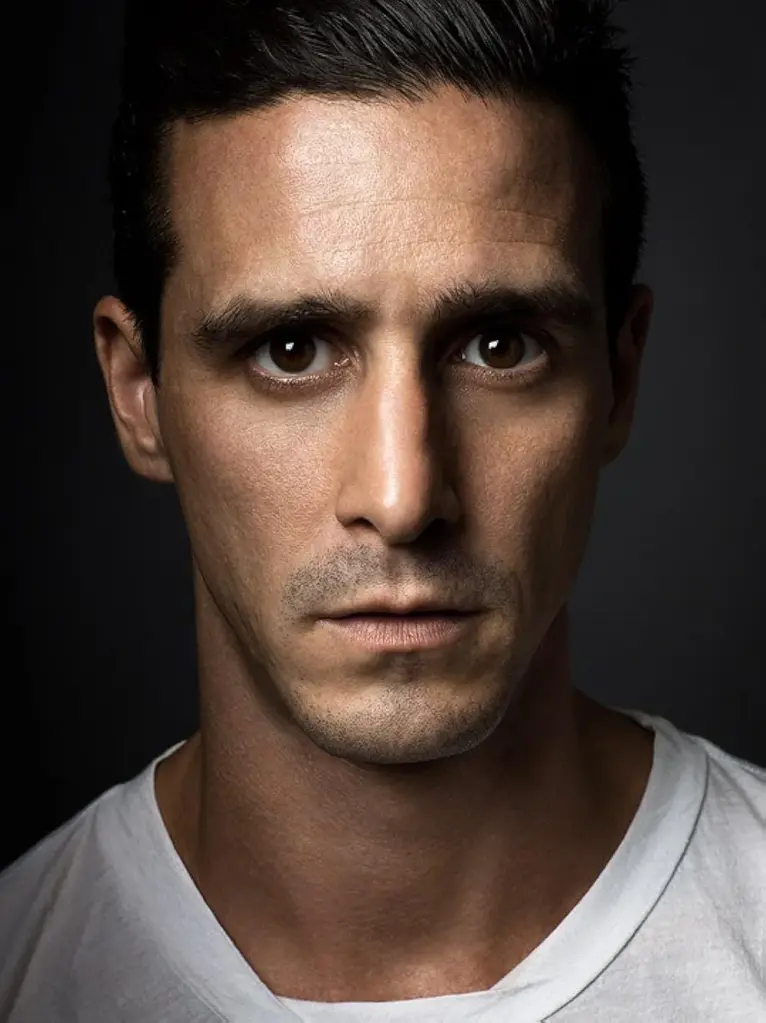
James Ransone was never the loudest presence on screen. He didn’t rely on movie-star polish or heroic certainty. Instead, he specialized in something rarer and more unsettling: he made discomfort feel honest. That gift — the ability to embody people who were awkward, wounded, impulsive, or quietly breaking — is why his death at age 46 has resonated so deeply with audiences and fellow actors alike.
News reports in December 2025 confirmed that Ransone had died in Los Angeles. Tributes from colleagues and fans spread quickly, not with the usual language of celebrity shock, but with something closer to personal grief. Many people felt they knew him — not because he played himself, but because he played people who felt frighteningly real.
 A Baltimore voice that never disappeared
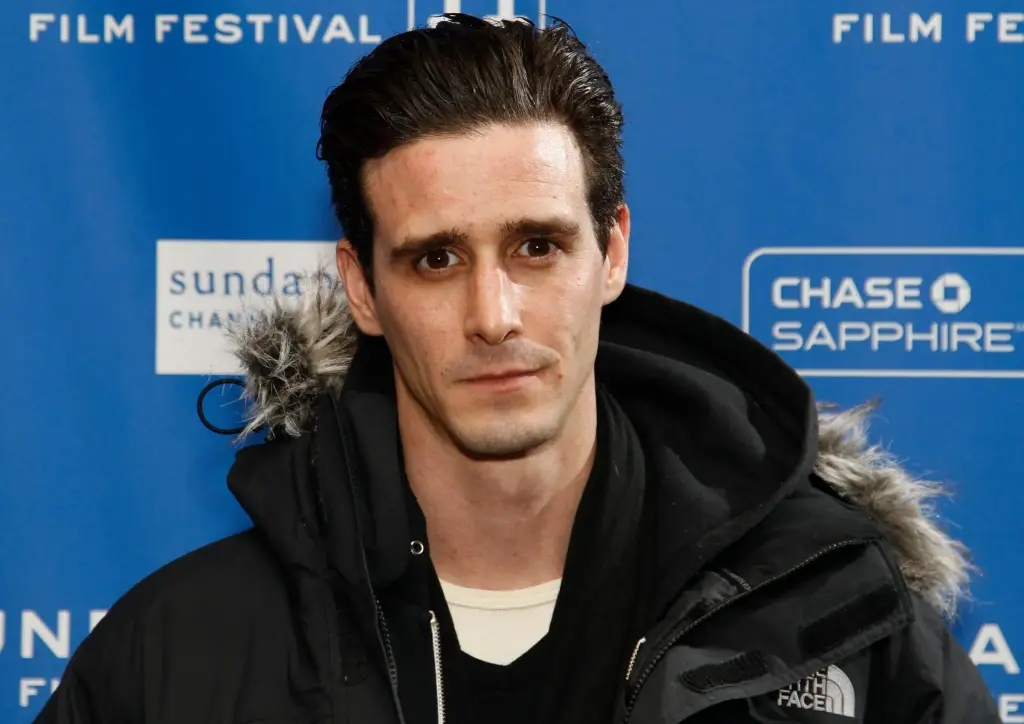
Born in 1979 and raised in Baltimore, #JamesRansone carried that city with him throughout his career. Baltimore is not sentimental in its storytelling; it rewards specificity and punishes pretense. That sensibility shaped his acting. He trained at the Carver Center for Arts and Technology, a public arts school known for pushing students to confront emotional truth early. By the early 2000s, he was already appearing in films and television, often in small roles that lingered longer than expected.
That background matters, because Ransone’s breakout role did not feel imported or artificial. When he appeared as Chester “Ziggy” Sobotka in Season Two of HBO’s The Wire, he didn’t look like an actor visiting a world — he looked like someone who belonged to it.
Ziggy Sobotka and the anatomy of failure
Ziggy Sobotka remains one of television’s most divisive characters. He is reckless, immature, desperate for validation, and often embarrassing to watch. Many viewers disliked him intensely. That reaction was exactly the point.
Ransone played Ziggy not as a punchline but as a man collapsing under the weight of expectation, class pressure, and self-contempt. He made Ziggy’s bravado feel like a survival tactic rather than arrogance. The performance captured something deeply human: how people perform confidence when they feel invisible, and how that performance can destroy them.
What made Ransone’s work on The Wire so enduring was restraint. He never asked for sympathy. He simply showed the behavior and trusted the audience to wrestle with it. That trust is why Ziggy still provokes debate years later — and why Ransone’s name is inseparable from the show’s legacy.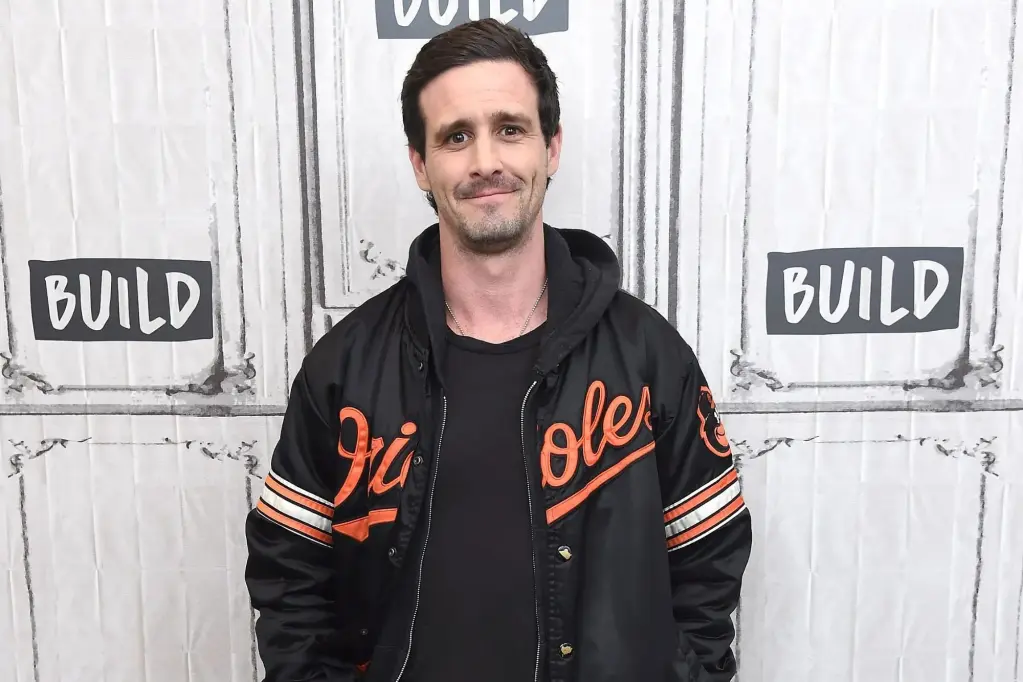
A career built on intensity, not spotlight
After The Wire, Ransone resisted easy typecasting. He appeared in Generation Kill, Treme, and later Bosch, often playing men shaped by institutional pressure — soldiers, workers, survivors navigating systems larger than themselves. His movie performances were precise and physical; even standing still, he conveyed agitation, shame, or longing.
In film, Ransone became a distinctive presence in independent cinema and modern horror. He appeared in Sinister, Sinister 2, It: Chapter Two (as the adult Eddie Kaspbrak), and The Black Phone. Horror directors gravitated toward him for a simple reason: he understood fear as something internal before it is external. He didn’t play terror as spectacle. He played it as memory, anticipation, and regret.
That approach made him especially effective in genre films that wanted emotional credibility beneath their scares. Viewers might not always remember his character’s name, but they remembered the feeling he left behind.
Why colleagues loved working with him
In the days following his death, actors and directors who worked with Ransone described him as generous, committed, and deeply present. He was known for listening — really listening — in scenes, reacting rather than performing. That quality made other actors better, because scenes with him felt less like choreography and more like collision.
Directors valued his willingness to inhabit uncomfortable emotional spaces without irony or self-protection. He didn’t soften characters to make them likable, and he didn’t exaggerate them to make them entertaining. He trusted that truth would do both jobs better.
Speaking openly about pain
Ransone was also unusually candid off-screen. In 2021, he publicly shared that he had survived sexual abuse as a child and spoke about years of addiction that followed. He discussed sobriety not as a triumphal endpoint but as ongoing work. That openness reframed how many people understood his performances. His portrayals of damaged men were not abstract exercises; they were informed by lived experience.
Read the Latest Movie Reviews on Mania Movies
Importantly, he never positioned himself as a spokesperson or symbol. He spoke plainly, without moralizing, about how trauma shapes behavior and how recovery is uneven. That honesty deepened the respect many felt for him, especially among audiences who recognized parts of their own struggles in his work.
 Family and private life
Ransone is survived by his wife, Jamie McPhee, and their two children. In public statements following his death, McPhee emphasized love, gratitude, and the importance of mental-health awareness. Fundraising efforts connected to his passing have directed support toward mental-health organizations, reflecting values Ransone had openly supported during his life.
What his legacy really is
James Ransone’s legacy is not a list of awards or box-office numbers. It is the quiet courage of his performances. He showed that characters who fail, relapse, embarrass themselves, or lash out are still worthy of attention. He resisted the cultural pressure to simplify pain into redemption arcs or villainy.
In a media landscape increasingly driven by spectacle, Ransone chose specificity. He chose to be unsettling rather than safe. That choice made his work last.
His death is a reminder that visibility does not equal safety, and that talent does not insulate anyone from internal struggle. It is also a reminder of how much power there is in truthful storytelling — the kind that doesn’t explain people away, but invites us to sit with them, even when it hurts.
Subscribe to The Wire Ledger News on YouTube for more.
If you or someone you know is struggling with mental health, help is available. In the United States, the Suicide & Crisis Lifeline can be reached by calling or texting 988. International resources are available through local health services and crisis organizations.
James Ransone did not demand attention. He earned it, scene by scene. And long after the shock of his passing fades, the honesty of his work will remain — uncomfortable, unforgettable, and deeply human.
This article has been written with the help of AI for topic research and formulation.
More from Mania Africa:
 W.H.O Declares Mpox a Global Health Emergency: Critical Facts You Need to Know
  Uncovering the Secrets of Osama Bin Laden’s Mind: Insights from His Hard Drives
  Trump and Musk Unplugged: A Candid X Spaces Conversation on Power, Policy, and the Future of America
  The Cold War Russian Spy Who Prevented World War III
  How Rigathi Gachagua Turned the Tables in His Impassioned Impeachment Speech: 10 Key Moments
  Remembering H.E Mwai Kibaki – Kenya’s 3rd President
  U.S. Election 2024: Will Kamala Harris Beat Donald Trump?
  Pope Francis’ Legacy: A Pope for the Poor, the Marginalized, and Global Unity